UNFPA programme puts survivors at the centre of gender-based violence services
NAIROBI, November 28, 2026: Survivors of gender-based violence who reach a support service should find care that treats them as people rather than cases, and the United Nations sexual and reproductive health agency says that principle now guides its first global programme for managing such cases.
UNFPA’s Women at the Centre programme operates in Azerbaijan, El Salvador, Indonesia, Madagascar and Zimbabwe. It was designed after assessments of existing services found that survivors from seven groups — adolescent girls, older women, LGBTIQ+ people, persons with disabilities, people of African descent, Indigenous People and sex workers — often faced exclusion, disbelief or poor treatment when they asked for help.
“More than anything, they want to be believed,” said Erin Gerber, a gender-based violence response specialist with UNFPA based in Nairobi. “That was something that came up over and over again.”
Quality care, Ms. Gerber said, begins with ordinary things: a welcome at the door, communication in the survivor’s own language and confidence that personal information will stay confidential. Survivors also need to feel physically and emotionally safe, to have their decisions respected and to be genuinely listened to.
The programme also invests in the social service workforce, which has received less attention than health and legal services. Training is being strengthened and accreditation pathways developed for caseworkers, so that the support a survivor receives does not depend on who happens to be on duty. “A survivor can get the same quality of care at any time, at any location, whenever they need it. That’s what our goal is,” Ms. Gerber said.
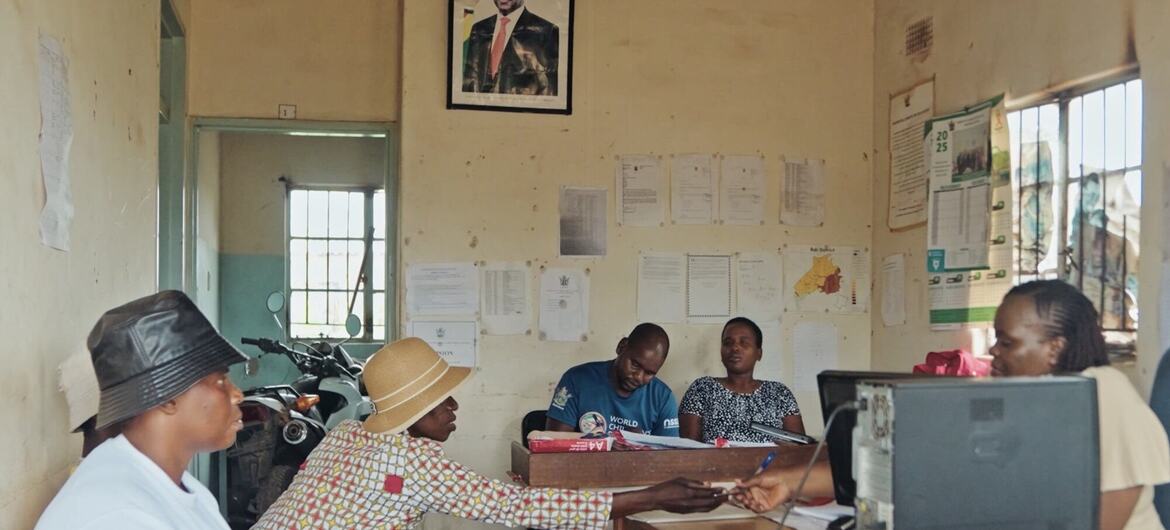
In rural Zimbabwe, mobile one-stop crisis centres move between communities, bringing information and services closer to women who previously could not reach them and helping families recognise forms of violence that had become normalised. In El Salvador, older women reflect on their own experiences of violence before being trained to raise awareness, respond to disclosures and connect survivors with support.
Ms. Gerber said the test of success will be visible inside the facilities themselves. “My hope would be that you’re walking into a facility and you are seeing an accurate representation of case workers reflected in the survivors and communities who need the services most,” she said.
The initiative sits within the 16 Days of Activism against Gender-Based Violence, the annual campaign that opened on 25 November, the International Day for the Elimination of Violence against Women, and runs until Human Rights Day on 10 December.
About UNFPA: UNFPA is the United Nations sexual and reproductive health agency. It supports countries to deliver sexual and reproductive health care and to prevent and respond to gender-based violence, including through programmes such as Women at the Centre.